

Finally, AI-powered automation increases scalability, allowing organisations to grow without overwhelming staff or expanding budgets. Traditional growth requires more employees, more training, and more operational complexity. AI-driven systems scale instantly—they can handle 100 or 10,000 customer interactions with the same efficiency. Whether a business expands to new markets, increases its patient population, or adds new services, AI automation adapts effortlessly. This creates a future-ready organisation capable of innovation, resilience, and long-term sustainability. For healthcare networks, this means reduced waiting lists, improved patient pathways, and enhanced cultural support. For entrepreneurs, this means faster delivery, higher profit margins, greater stability, and more time to innovate. For business automation leaders like Superchatpal, AI-powered automation becomes the backbone of your promise to clients—unlocking transformational efficiency, intelligence, and performance.
AI-Powered Automation – The New Backbone of Modern Business Efficiency
AI-powered automation is redefining how organisations operate by combining the speed of automation with the intelligence of artificial learning systems. Traditional automation could only follow pre-programmed instructions—sending an email, updating a spreadsheet, or moving data between systems. AI-powered automation, however, understands context, interprets language, analyses patterns, learns from data, and makes decisions in real time. This shift elevates automation from simple task execution to intelligent workflow orchestration, allowing organisations to streamline operations, reduce errors, save time, and dramatically increase productivity. AI-driven systems can handle complex, multi-step processes that once required human judgment, freeing teams to focus on creativity, strategy, innovation, and patient or customer care. For business owners, healthcare leaders, and entrepreneurs, AI-powered automation represents a transformative leap—delivering 24/7 precision, scalability, and adaptability.
One of the greatest strengths of AI-powered automation is its ability to eliminate repetitive, time-consuming tasks that drain human resources. These tasks include data entry, email sorting, document processing, appointment scheduling, lead qualification, patient triage, follow-up reminders, and report generation. While individually small, these activities consume large portions of staff time when repeated across departments. AI-powered automation manages these tasks instantly and consistently, ensuring nothing is missed and no bottlenecks occur. In small businesses, this is the difference between working in the business versus working on the business. In healthcare environments, it supports clinicians and staff by reducing administrative burden, improving patient flow, and increasing time available for care. The result is higher efficiency, lower staff burnout, and increased organisational capacity without increasing workforce size
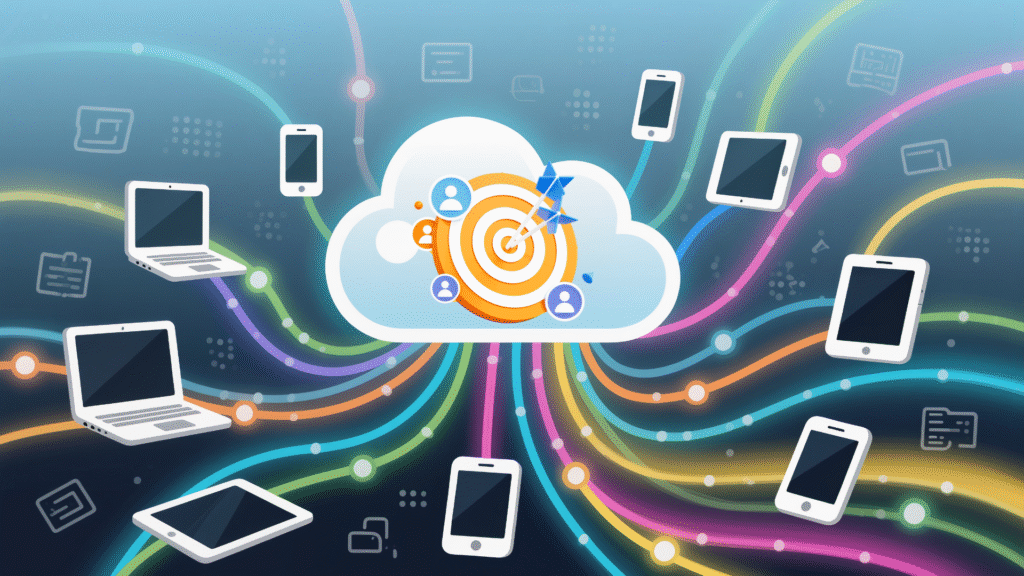
AI-powered automation also enables intelligent decision-making within workflows, something traditional automation cannot achieve. Machine learning equips automation systems to evaluate data, compare patterns, predict outcomes, categorise tasks, and execute optimal next steps. For example, an AI-driven system can analyse customer messages, detect urgency, classify the request, draft a personalised reply, escalate to the right team, and update the CRM—all autonomously. In healthcare, AI can triage patient symptoms, prioritise urgent cases, recommend CAM or lifestyle interventions, generate clinical summaries, and alert clinicians when trends indicate early disease progression. This intelligent decision-making ensures that every workflow adapts dynamically to real-time information, improving quality, speed, and accuracy across the organisation.
Another transformative capability of AI-powered automation is its ability to act as a digital workforce—AI agents that behave like specialised virtual employees. These agents can chat with customers, qualify leads, track tasks, monitor dashboards, perform financial calculations, write marketing content, interpret documents, and even provide emotional intelligence coaching or wellbeing support. They work 24 hours a day, respond instantly to demands, and analyse data far faster than humans. For example, Superchatpal AI Agents can manage entire sales pipelines, nurture leads, manage appointment flows, update databases, conduct risk assessments, and create strategies for business owners. This reduces operational costs, increases speed, and supports teams by carrying a substantial portion of cognitive and administrative workload. Instead of hiring multiple staff members, businesses can deploy AI agents that scale effortlessly as demand grows.
AI-powered automation is also revolutionising customer and patient experience. Customers no longer want delayed responses, inconsistent communication, or generic messages. AI automation delivers personalised interactions at scale—adjusting tone, recommendations, and timing based on user behaviour and preferences. It can automate follow-ups, reminders, onboarding sequences, satisfaction surveys, educational materials, and product suggestions, all tailored to individual profiles. In healthcare, the same technology can send personalised wellness plans, yoga protocols, Ayurvedic lifestyle guidance, CAM-based recommendations, medication reminders, and culturally sensitive support to patients. Personalisation deepens trust, increases engagement, reduces no-shows, and enhances overall satisfaction, making AI automation a powerful driver of both loyalty and health outcomes.
AI-powered automation also enhances data accuracy and operational reliability. Human error—missed emails, incorrect entries, forgotten follow-ups, lost forms, incomplete updates—can create serious inefficiencies and risks. AI systems eliminate these issues by performing tasks with near-perfect consistency. They also maintain full audit trails, update information instantly across platforms, and detect anomalies early. This is particularly valuable in healthcare, finance, compliance-heavy environments, and organisations dealing with sensitive cultural or patient data. AI automations also help unify fragmented data systems—CRM, EMR, HR, marketing, scheduling—into a single intelligent ecosystem, providing leaders with real-time visibility and insight.